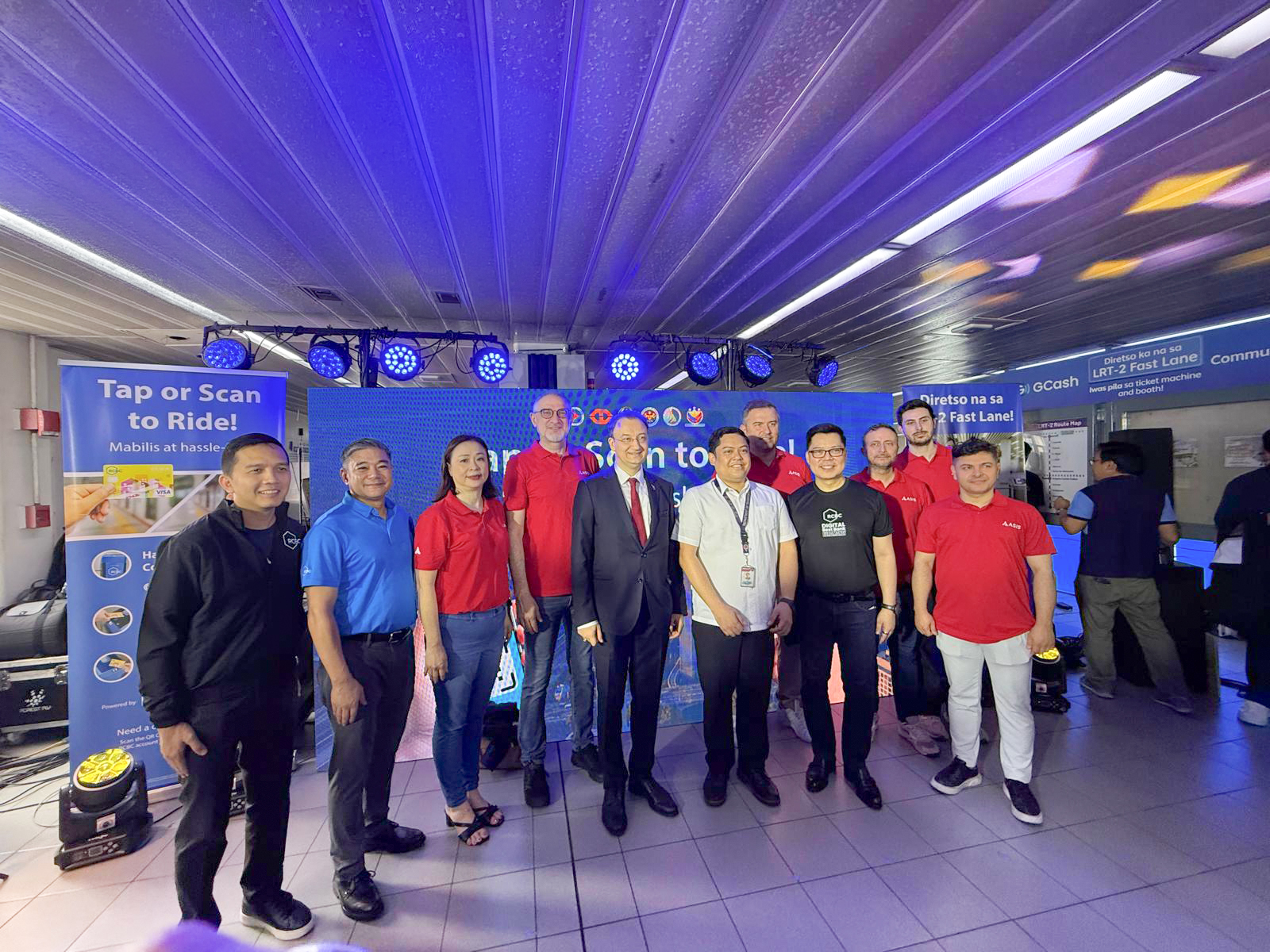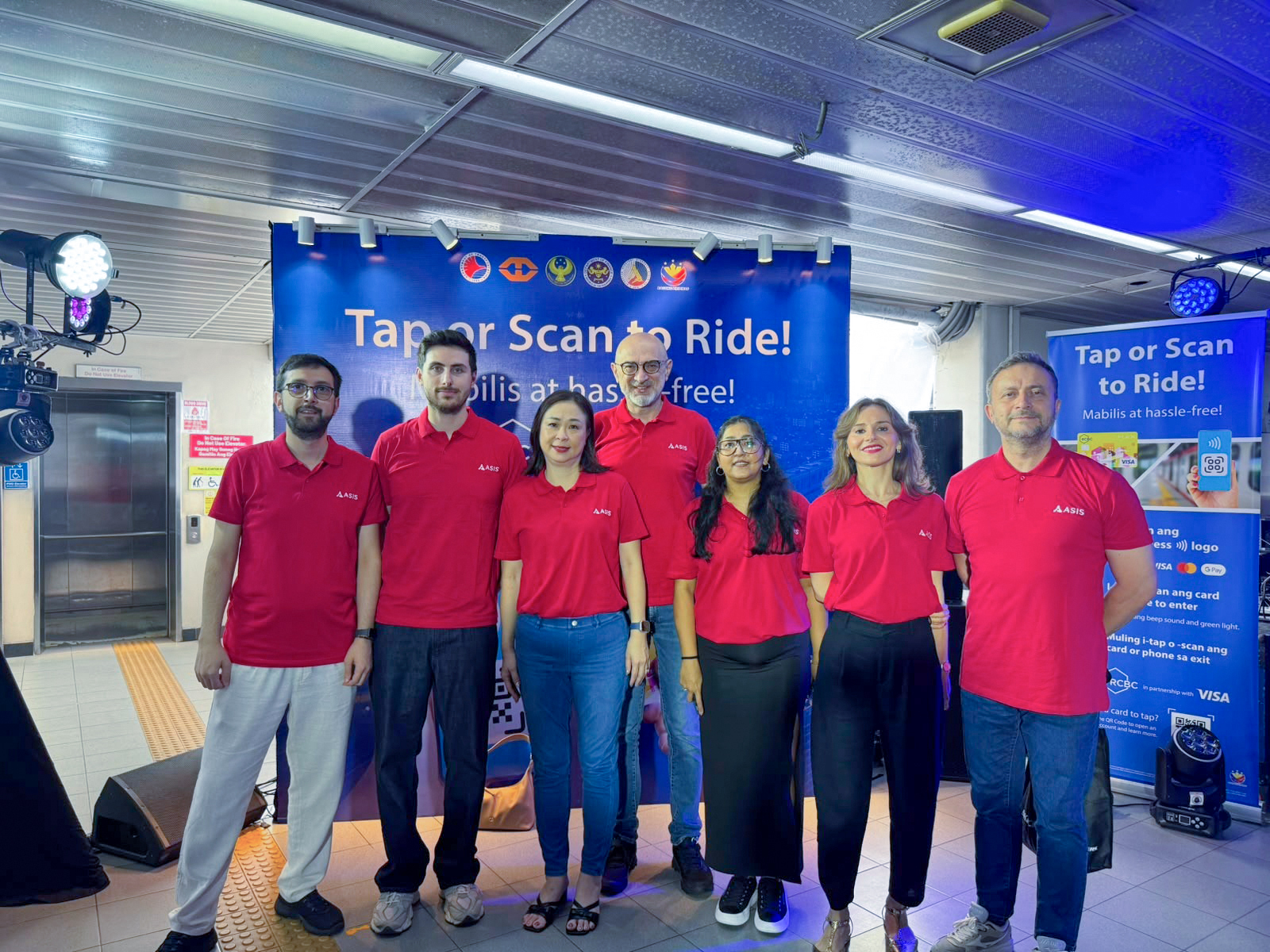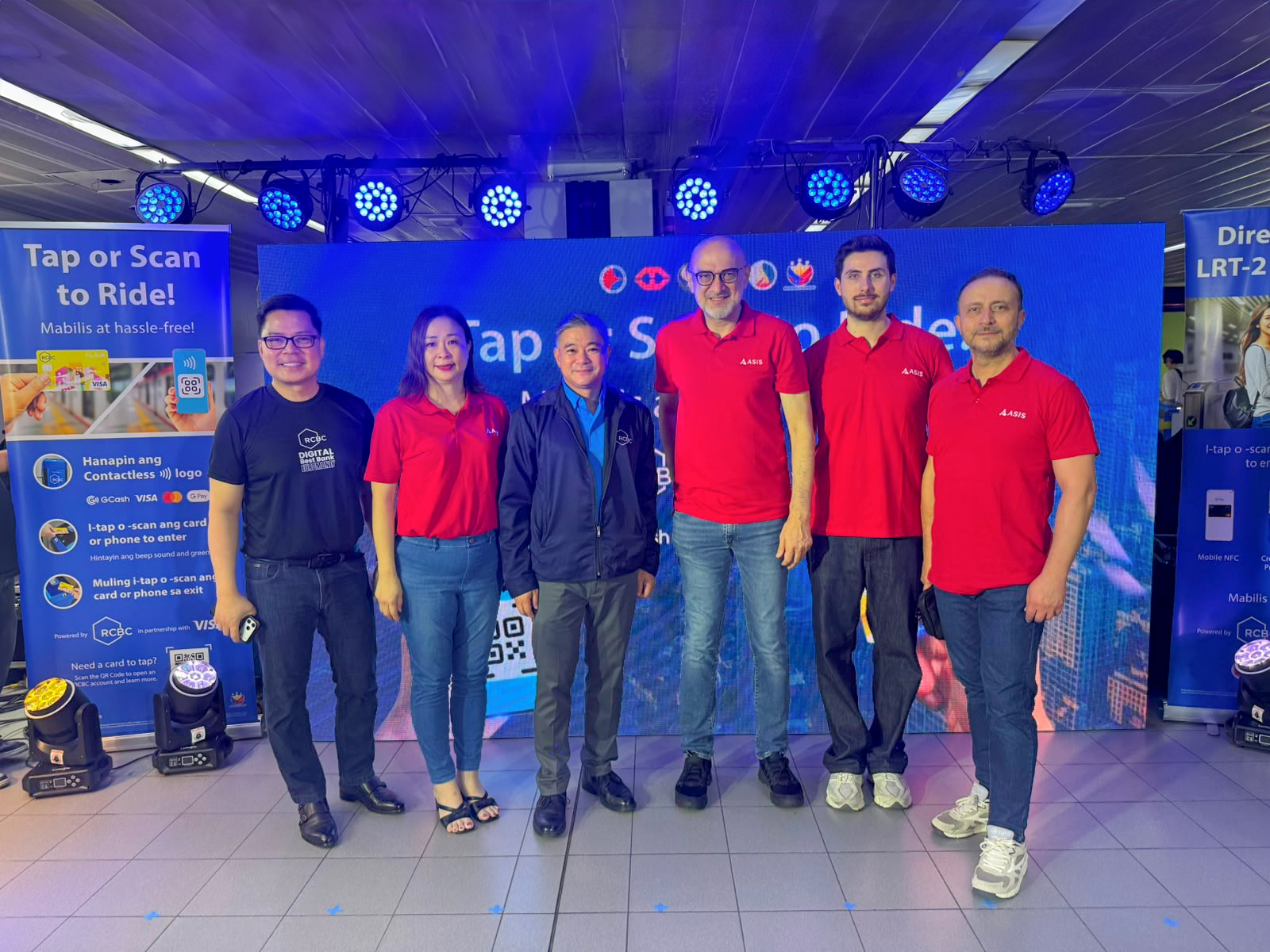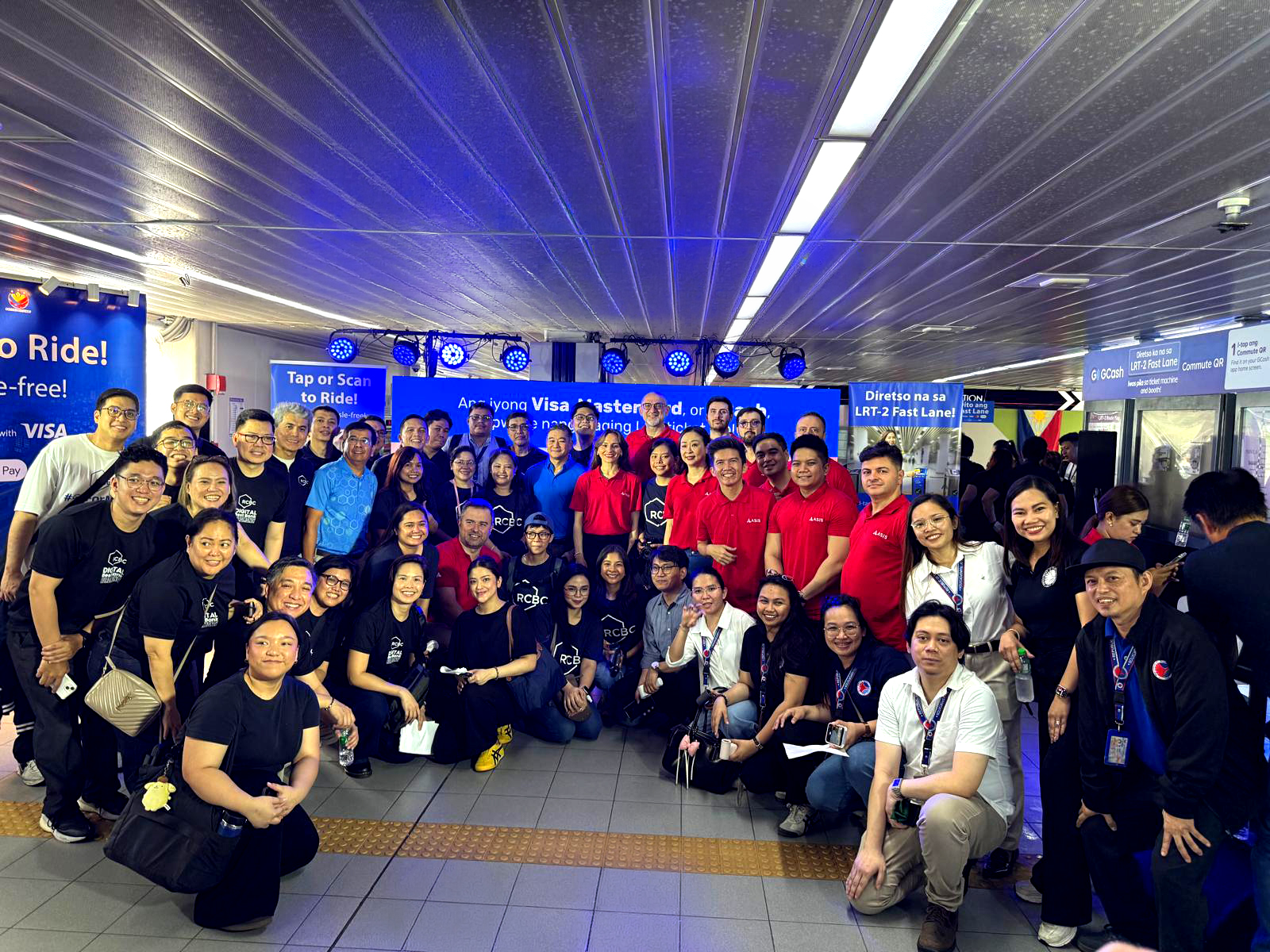





Asis Elektronik has achieved a major milestone in the digital transformation of the Philippines’ public transportation infrastructure. On July 13, 2026, the country’s open-loop rail fare payment system was officially launched on the LRT-2 line during a ceremony held in Manila.
The launch event, attended by representatives from the Department of Transportation (DOTr), the Light Rail Transit Authority (LRTA), RCBC, Visa, and other key industry stakeholders, marks the beginning of a new era in the adoption of digital payment technologies across the Philippines’ public transportation network.
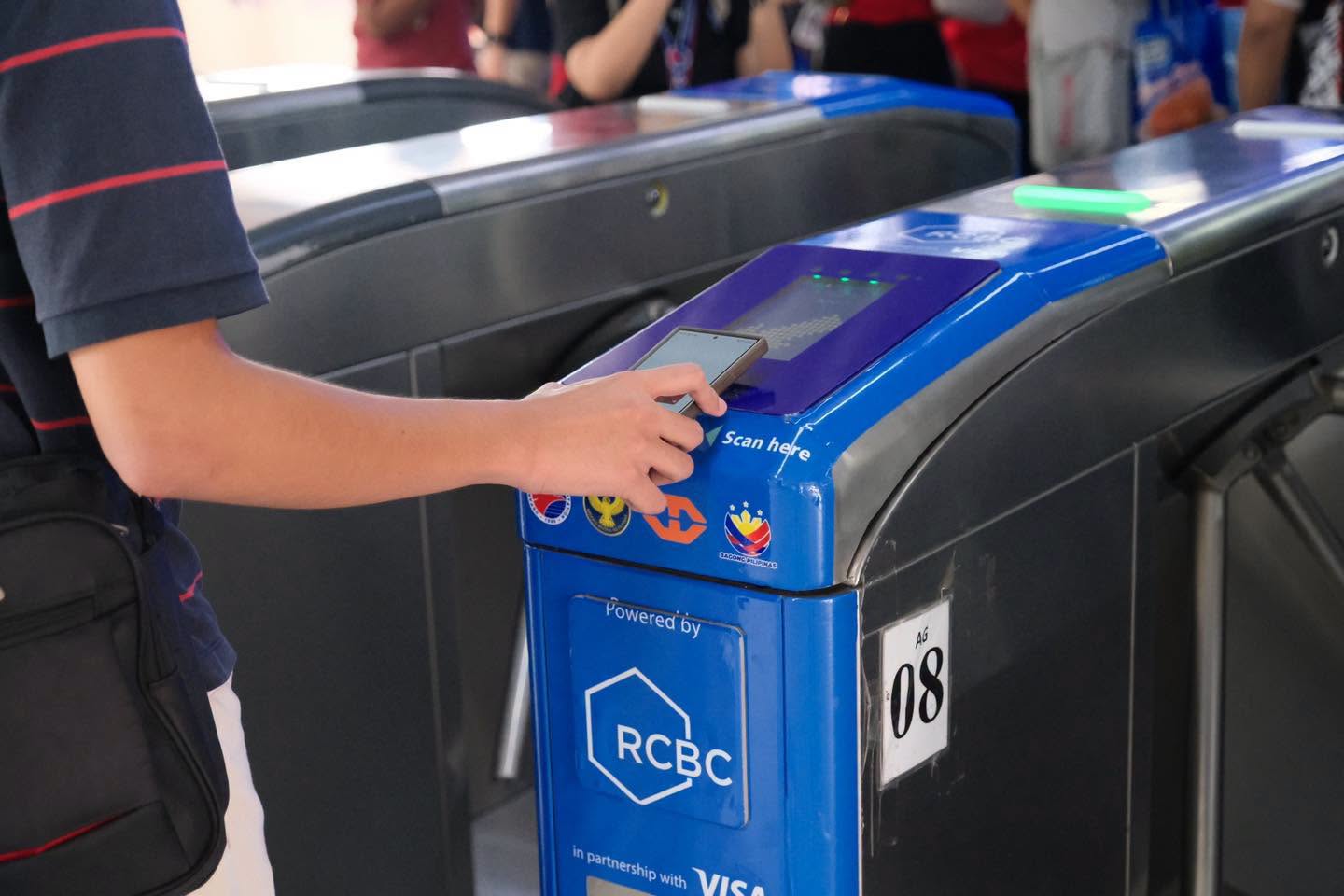
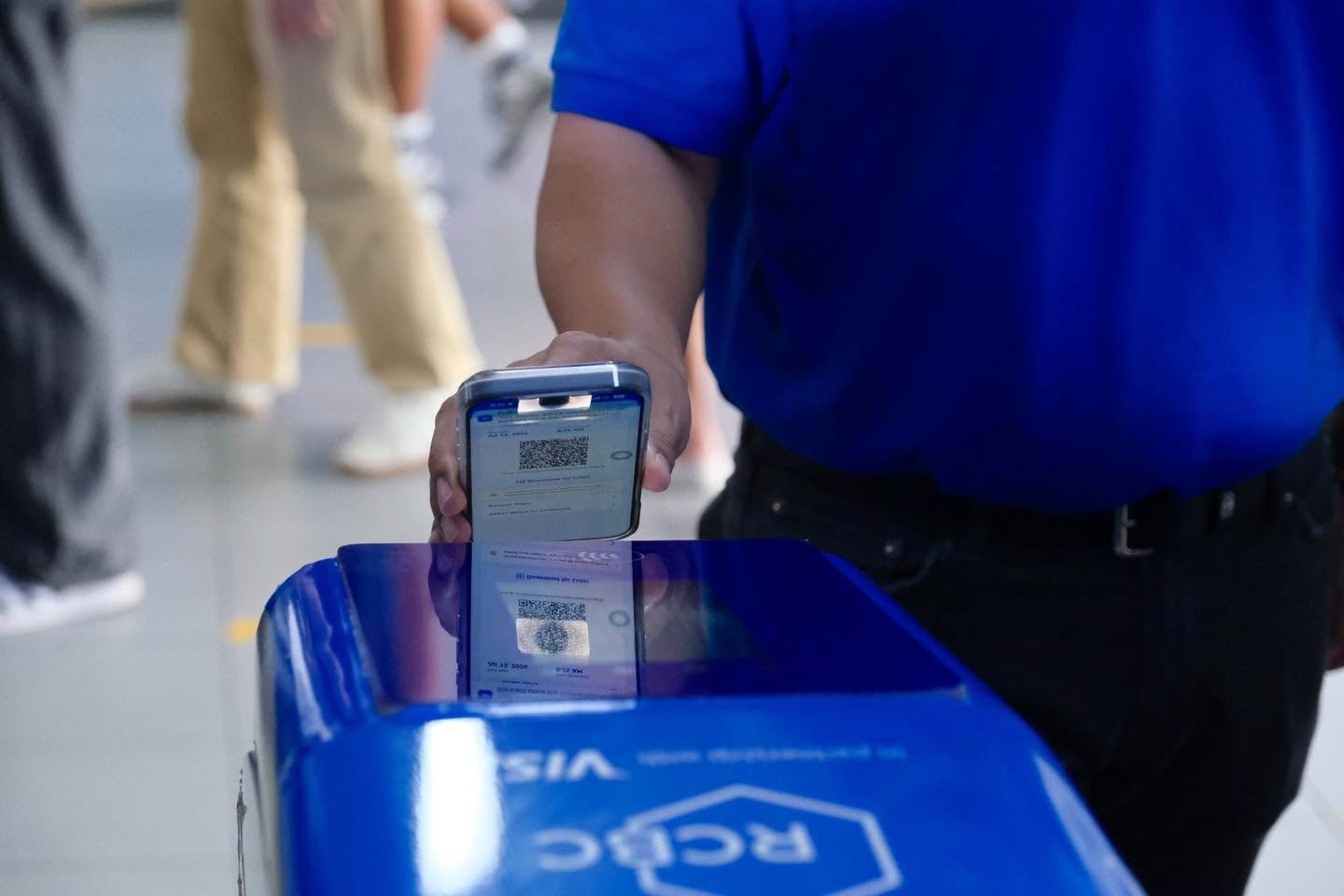
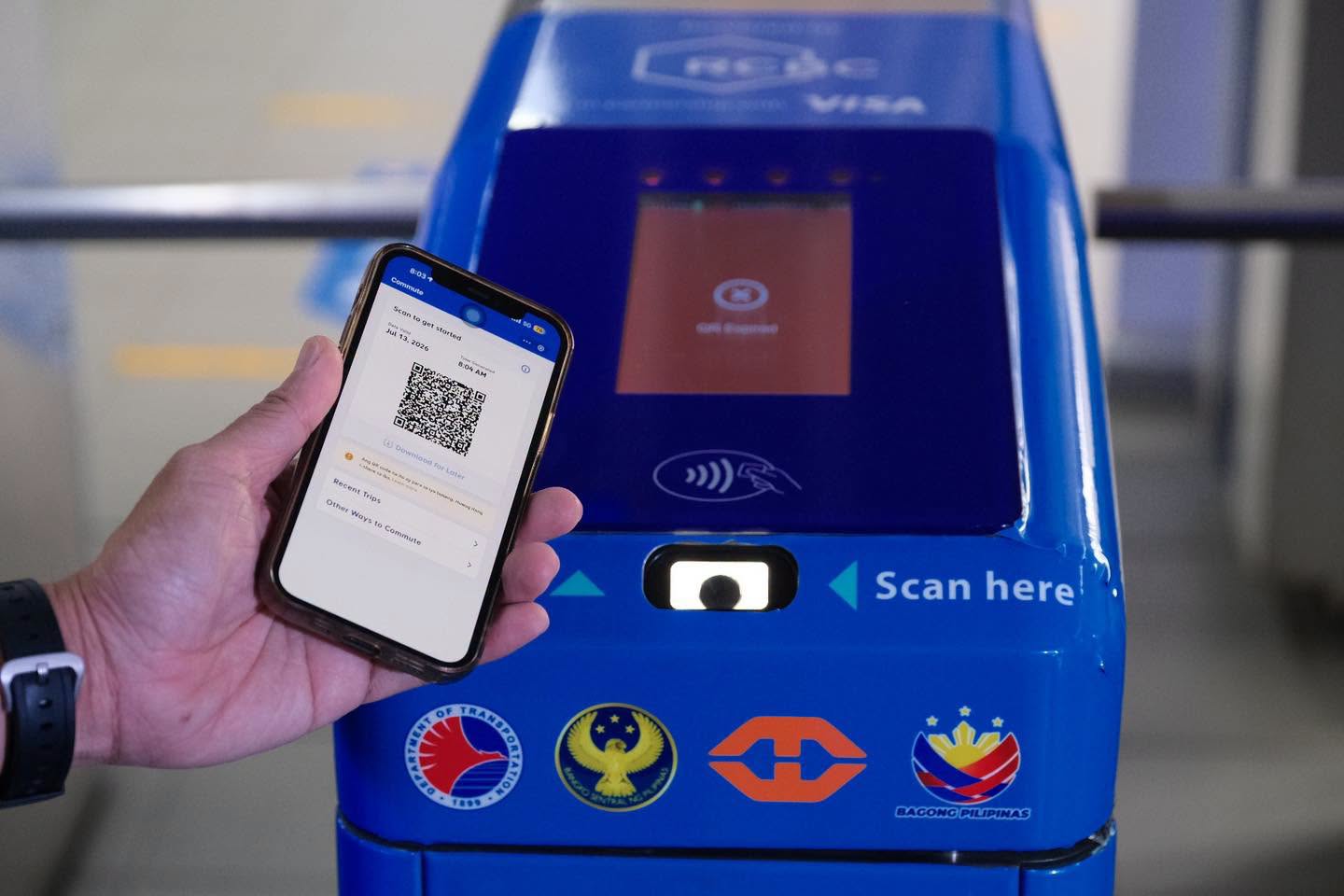
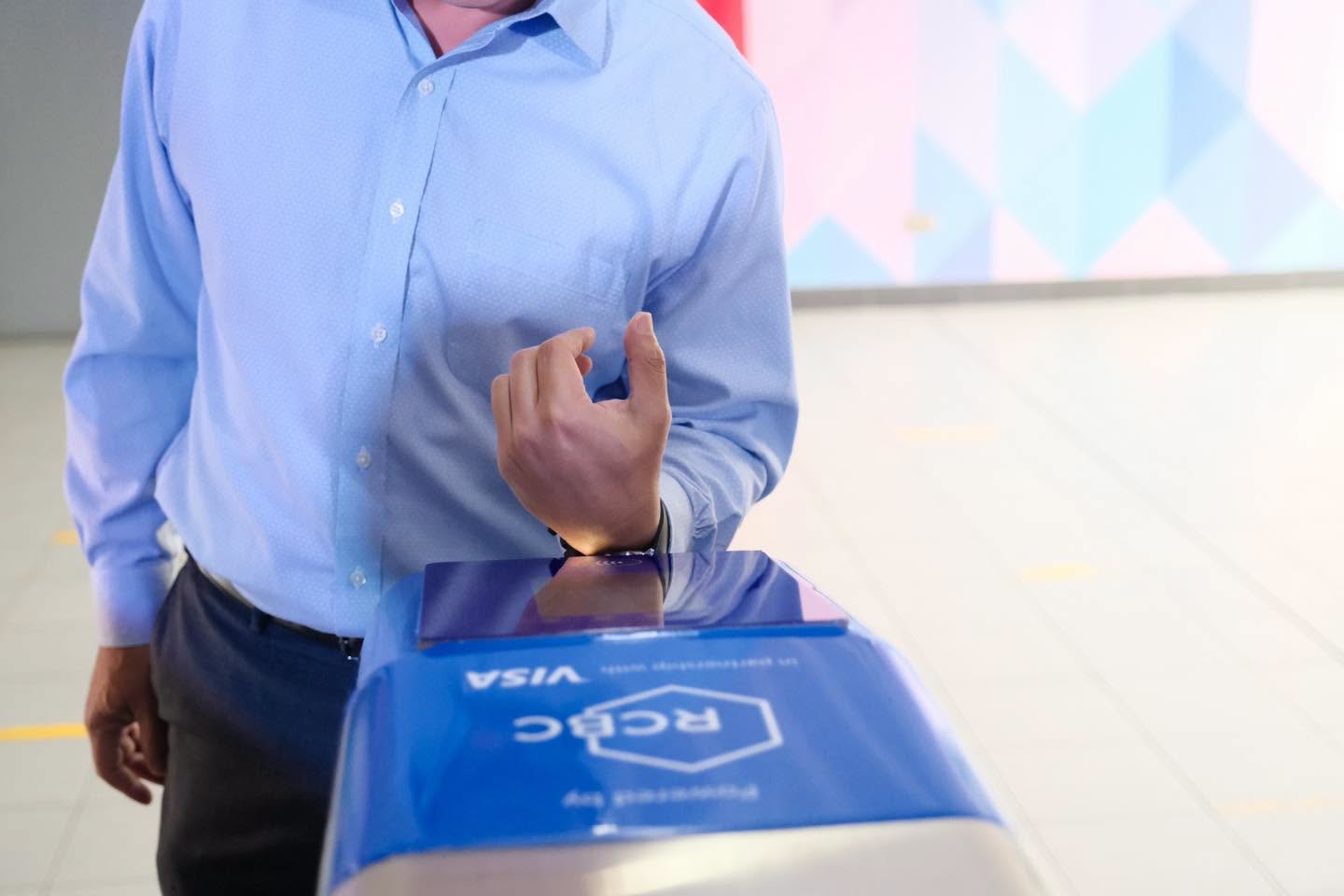
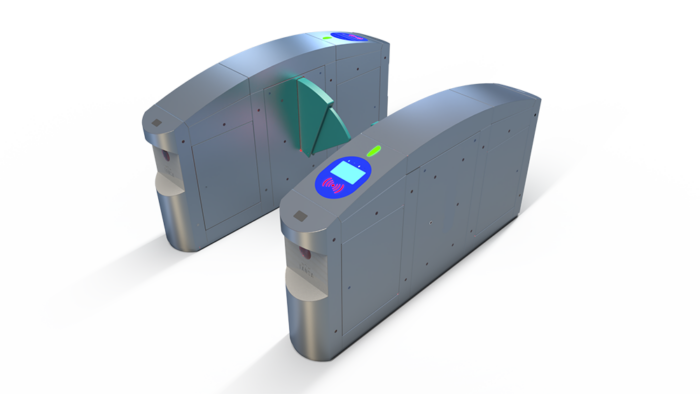
With the new system, passengers can now pass through fare gates quickly and securely using EMV-enabled debit and credit cards as well as mobile wallets—eliminating the need for a dedicated transit card. By removing the processes of purchasing and reloading transit cards, the solution delivers a more convenient, accessible, and user-friendly travel experience.
Asis Elektronik served as the technology solution partner for the project, contributing to its successful implementation with a secure, scalable, and internationally compliant payment infrastructure.
As a key component of the Philippines’ vision for the digitalization of its rail transportation system, the new solution lays the foundation for an integrated open payment ecosystem that will eventually extend to other modes of public transport. It also supports the wider adoption of cashless payments, helping make urban mobility faster, more efficient, and more sustainable.
Asis Elektronik continues to expand the global reach of its smart transportation technologies, developed in Türkiye and implemented across international markets. The successful deployment of this project in Manila represents another significant milestone in the company’s growing portfolio of international achievements. Through its expertise in open-loop payment technologies, Account-Based Ticketing (ABT), and EMV-compliant fare collection systems, Asis Elektronik remains committed to supporting the digital transformation of cities and shaping the future of public transportation.